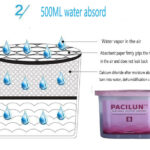
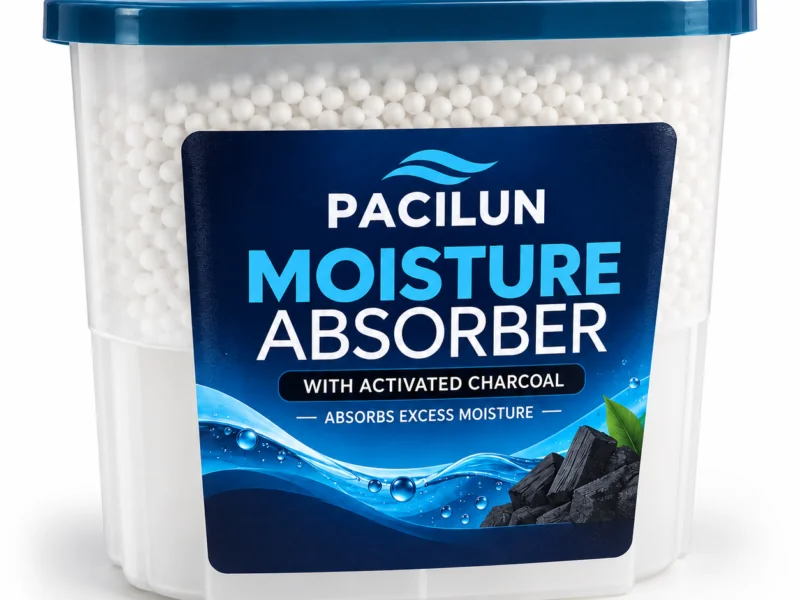
Calcium chloride and activated charcoal address different needs in household moisture-control products. Calcium chloride takes up moisture from the air and can form a liquid brine. Activated charcoal has a porous surface that can adsorb certain airborne compounds. Some moisture absorber boxes combine the two ingredients.
Choose by the problem you need to address
For a damp wardrobe, compare the moisture-control performance of products intended for enclosed spaces. Check the instructions, the absorbent fill and how the product indicates that it needs replacing. For an odor concern, identify and address the source. If you are comparing charcoal-containing products, ask what odor the product was tested against and under what conditions.
Check combined products against their individual claims
When sourcing a box with both ingredients, request the fill specification and ask whether the charcoal is mixed into the charge or kept in a separate layer. Compare humidity and odor claims separately. A photo of liquid in the reservoir can show that liquid collected under the test conditions, while an odor claim needs evidence relevant to the stated odor and use.
Give customers a clear label
Describe the intended space, how to start using the product, where to place it and when to replace it. Check that the final pack reflects the approved sample and the evidence supporting its claims. If the product is for an enclosed cupboard or closet, make that placement clear in the instructions.
For replacement guidance, see how long moisture absorbers last. For private-label options, explore Smart Care Home’s moisture absorber manufacturing services.