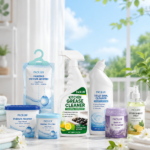
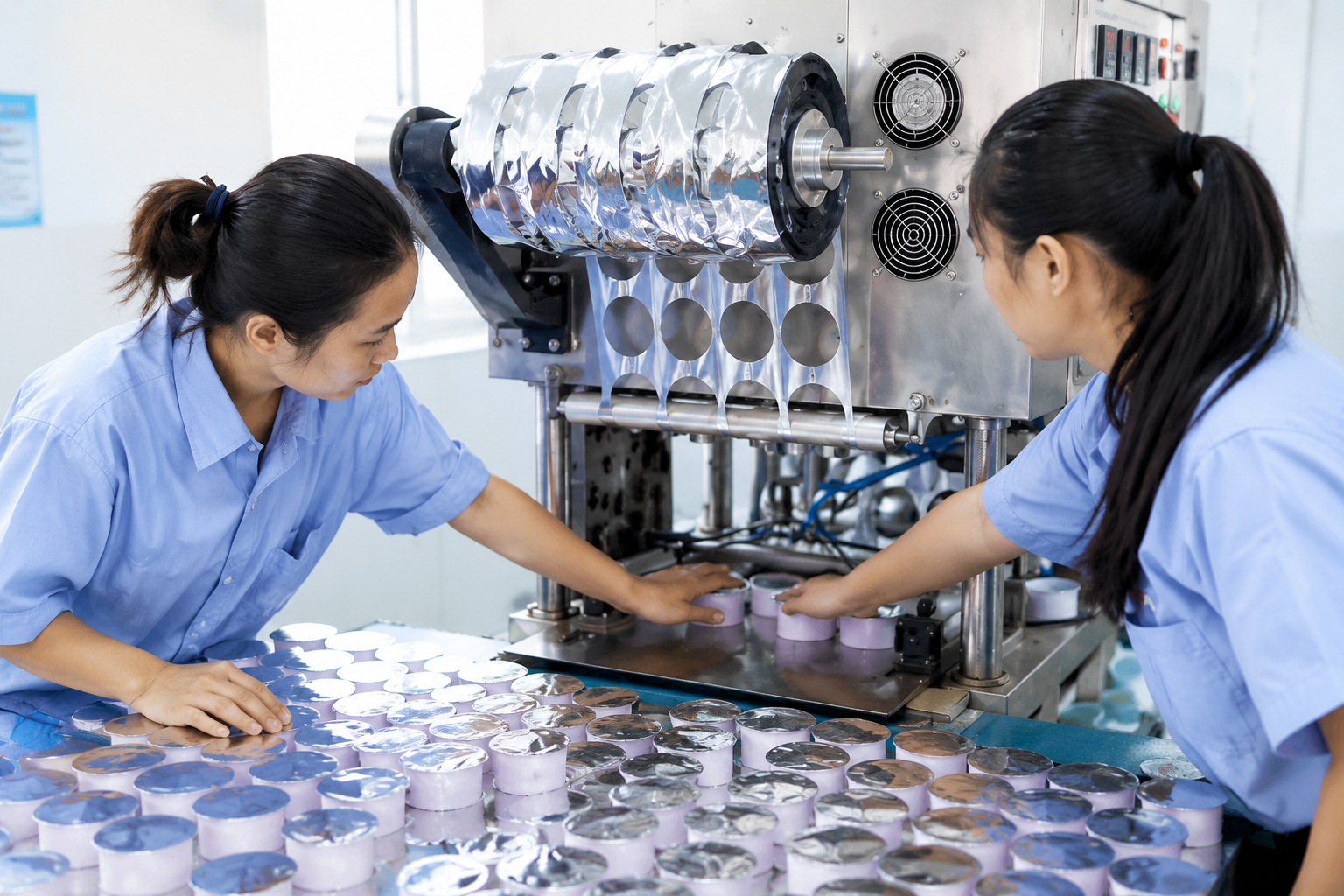
Starting a household cleaning product brand can feel complicated. You need to think about formulas, packaging, product performance, compliance, production quantities, and costs — often before you even know how the market will respond.
The good news is that you don’t need to build a factory or develop everything from scratch.
With the right OEM or ODM manufacturing partner, you can turn a product idea into a market-ready solution step by step.
1. Start With the Problem You Want to Solve
A successful product usually starts with a simple question:
What problem will this product solve for the customer?
Instead of beginning with packaging or price, think about the actual use scenario. For example:
Unpleasant odors in homes, cars, shoes, or closets
Excess moisture in wardrobes, bathrooms, or storage spaces
Difficult kitchen grease and everyday household stains
Bathroom cleaning and maintenance
A need for convenient, easy-to-use home care solutions
Once the problem is clear, it becomes much easier to define the right product format, formula, fragrance, packaging, and target price.
2. Choose the Right Product for Your Market
Different markets have different consumer habits, climates, retail channels, and price expectations.
Your first product does not need to be complicated. In many cases, starting with a proven product category and creating meaningful customization is a more practical way to enter the market.
Depending on your business, this could include products such as:
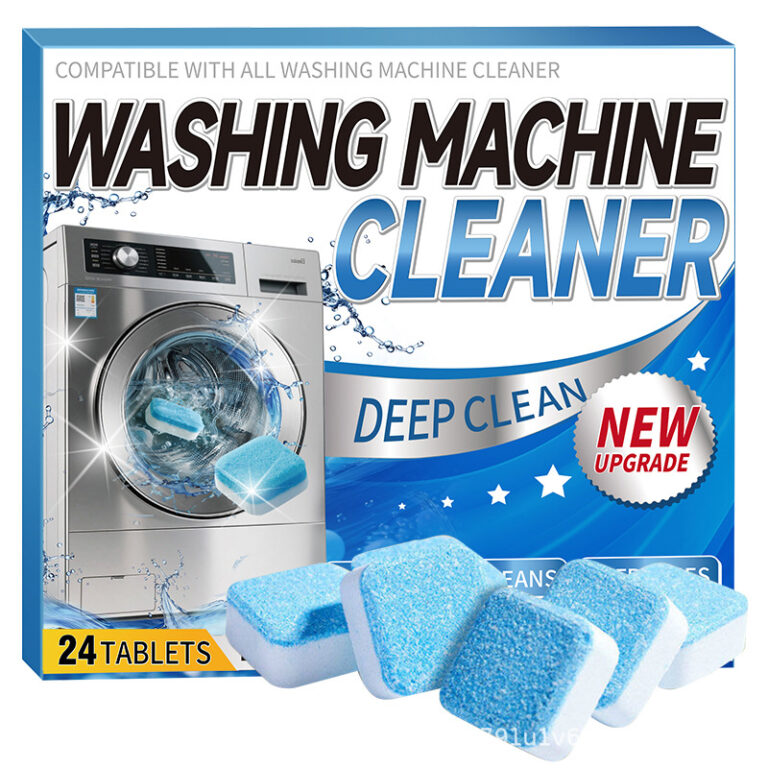
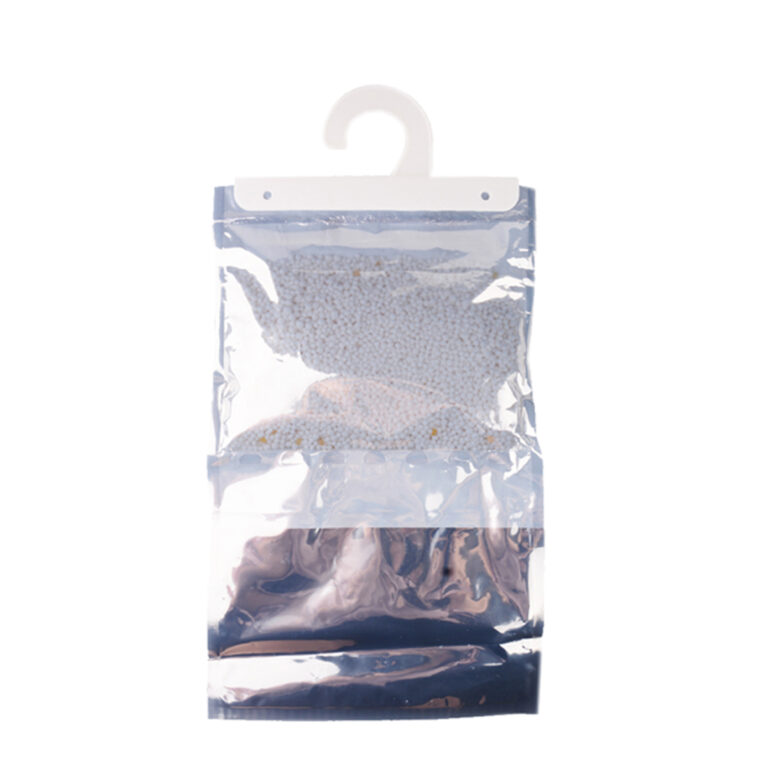
Moisture absorbers, dehumidifier bags, household cleaners, bathroom cleaners, kitchen cleaners, odor eliminators, air freshening products, or other home care products.
An experienced manufacturer can help you evaluate different product formats before you commit to mass production.
3. Decide Between OEM and ODM
This is one of the first decisions you will need to make.
With OEM, you may already have a formula, specification, packaging concept, or detailed product requirements. The manufacturer helps you produce the product according to those requirements.
With ODM, you can start with a much earlier-stage idea.
For example, you might tell us:
“I want a household odor-control product for my market. I need a fresh fragrance, modern packaging, and a competitive retail price.”
From there, the product can be developed around your requirements.
For new brands, importers, distributors, and retailers, ODM can often make the development process easier because you don’t have to solve every technical detail yourself.
4. Develop the Formula
This is where an idea begins to become a real product.
Depending on the product category, formula development may involve adjusting factors such as:
Cleaning performance, fragrance, color, viscosity, active ingredients, product format and target cost.
Samples are an important part of this process.
Rather than moving directly into mass production, samples allow you to evaluate the product and request adjustments.
The process may look like:
Idea → Formula → Sample → Feedback → Adjustment → Final Sample
The goal is not simply to create a product.
It is to create a product that fits your market, your positioning and your customer.
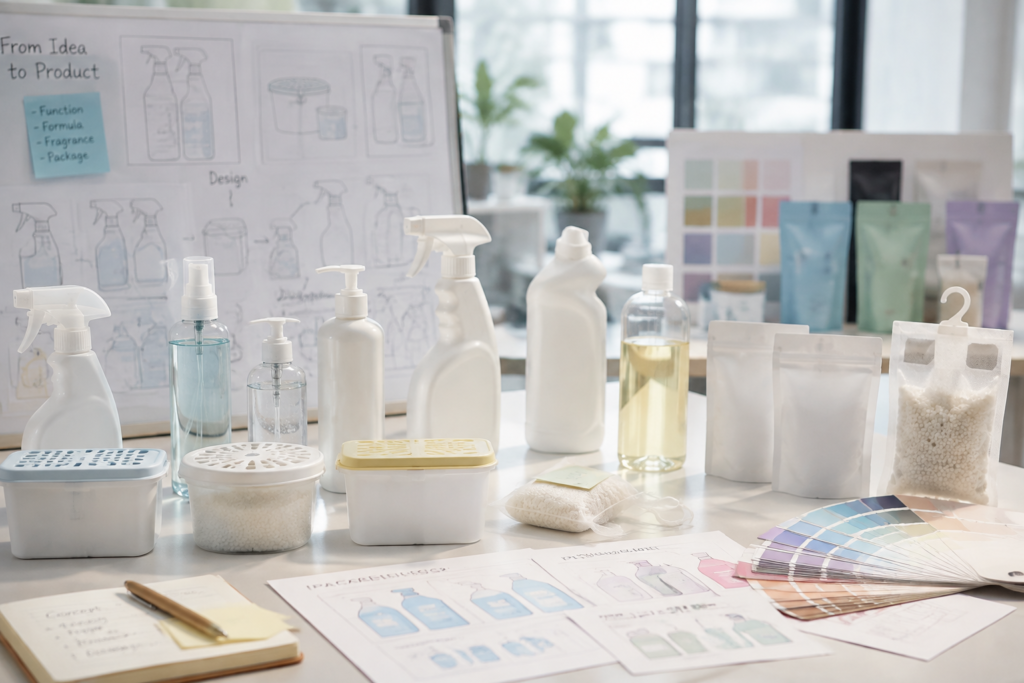
5. Create Packaging That Fits Your Brand
The formula is only one part of the finished product.
Packaging affects how customers perceive your brand, how the product is transported, and how it performs in retail or e-commerce environments.
You may need to consider:
Bottle, jar, box, pouch or other packaging formats
Capacity and dimensions
Pump, trigger sprayer, cap or closure
Label or printed packaging
Colors and visual style
Carton configuration
Shipping requirements
For a new brand, it is often better to work with existing packaging options first rather than immediately investing in expensive custom molds.
Once sales volumes increase, more customized packaging can be considered.
6. Test Before Mass Production
A beautiful product is not enough.
It also needs to perform consistently.
Before production, relevant samples and specifications should be confirmed. Depending on the product, manufacturers may check areas such as appearance, fragrance, filling quantity, packaging compatibility, sealing, and other quality requirements.
This stage helps reduce unnecessary surprises after mass production begins.
7. Start With a Reasonable Order Quantity
One common concern for new brands is MOQ — Minimum Order Quantity.
Ordering too much during the first launch can create unnecessary inventory pressure. Ordering too little, however, may significantly increase the unit cost.
The right approach is to find a balance.
For a new product, a flexible manufacturing partner can help you evaluate packaging choices, customization level, quantity, and cost together instead of looking at MOQ alone.
This gives you more room to test the market first and scale after validation.
8. Move From Sample to Production
Once the formula, packaging, specifications, and commercial details are confirmed, the product can move into production.
A typical project may follow this path:
Product Idea → Requirement Discussion → Formula & Packaging Selection → Sampling → Sample Approval → Production → Quality Inspection → Packing → Shipment
Having one manufacturing partner coordinate these steps can make the process much easier, particularly for overseas buyers.
You Don’t Need to Have Everything Figured Out
Many buyers hesitate to contact a manufacturer because they think their idea isn’t detailed enough.
That’s completely normal.
You might only know:
what kind of product you want, who you want to sell it to, what problem it should solve, and approximately what price range you are targeting.
That is already enough to start a conversation.
A capable manufacturing partner should not simply ask, “How many pieces do you want?”
They should also help you work through the questions that turn an idea into a manufacturable product.
From Your Idea to a Real Product
Building a household cleaning product brand doesn’t have to start with a perfect formula or a finished packaging design.
It can start with an idea.
Whether you are an importer, distributor, retailer, wholesaler, or a new brand owner, the most important first step is finding a manufacturing partner who understands both product development and production.
At PACILUN, we support household care product projects from initial discussion and formulation through sampling, customization, production, quality control, and shipment.
Have a product idea? Tell us what you want to create.
We can start from there.