Before ordering hanging moisture absorber bags in bulk, turn the sample review into a written checklist. An attractive sample is a useful starting point, but the approved specification should also describe construction, packaging and how the finished product will be evaluated. This helps importers and private label brands compare quotations on a consistent basis.
1. Identify exactly what you are approving
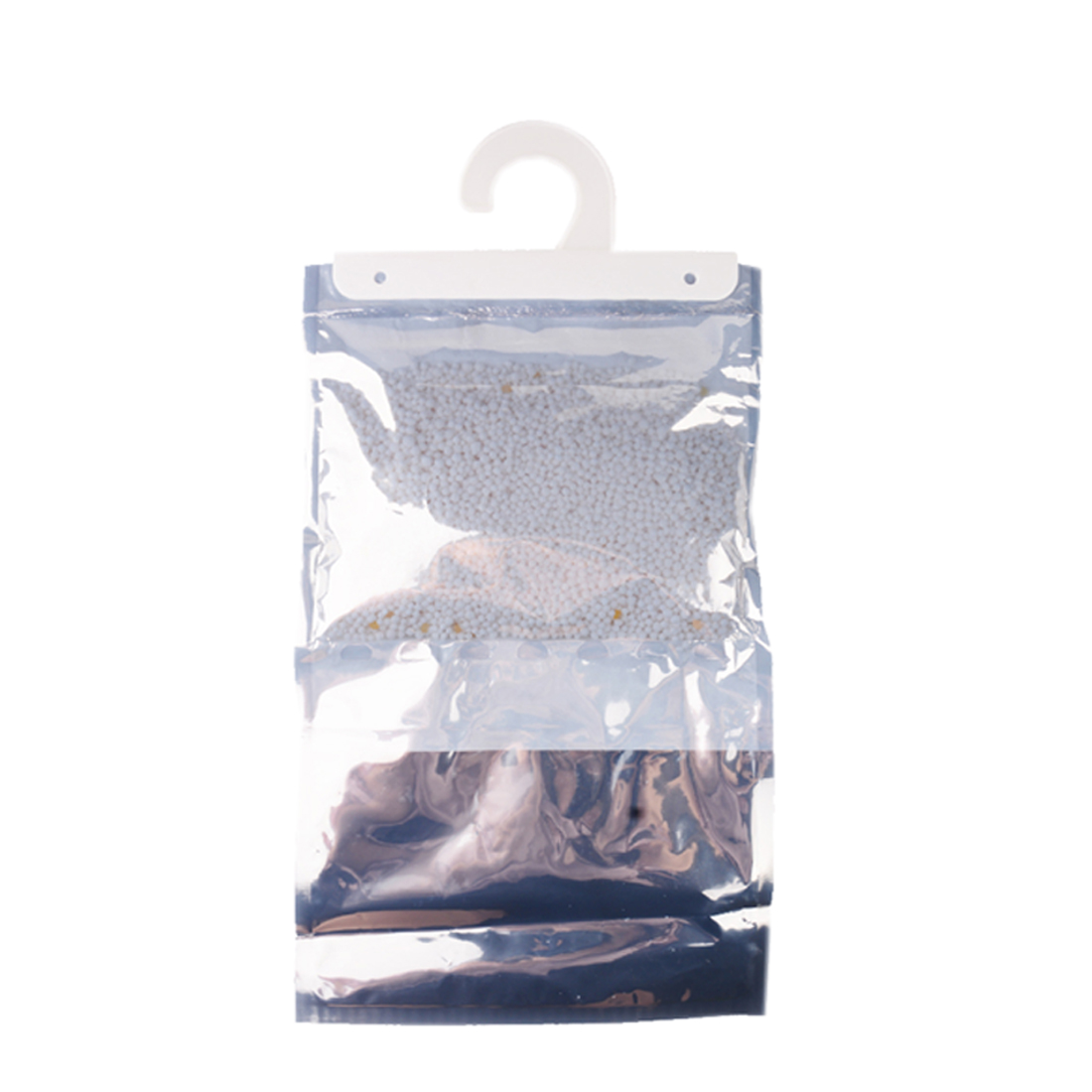
Record the supplier reference, sample date, product dimensions, absorbent fill weight, fragrance variant and retail pack. Photograph the front, back, hook and seals. Keep an approved reference sample and its specification so that later production can be compared with the same version.
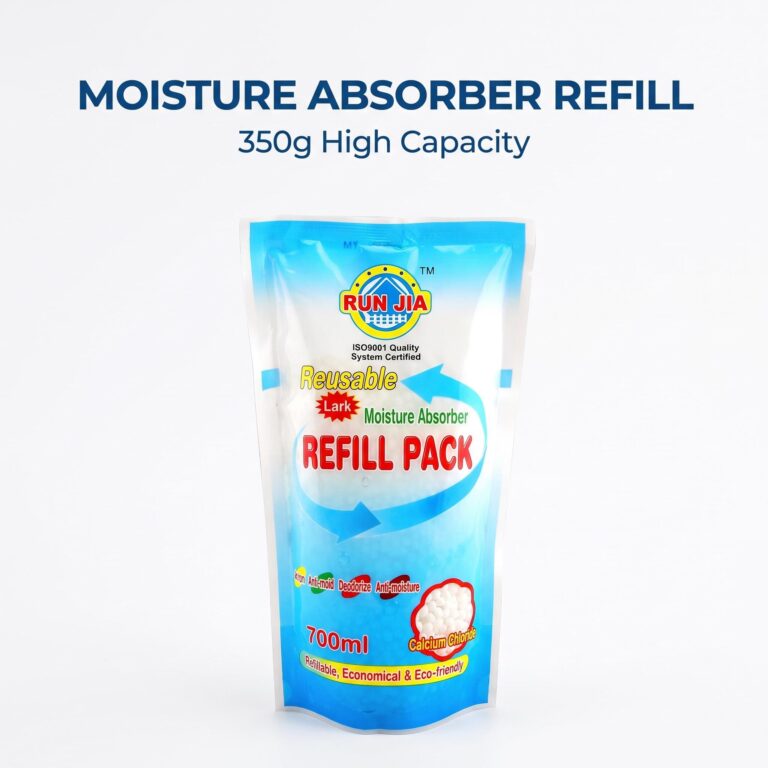
Separate absorbent weight in grams from liquid capacity in millilitres. Ask what a stated capacity refers to and how it was established. Do not treat the number on the front of a pack as a substitute for a complete specification.
2. Check the bag construction and hanging system
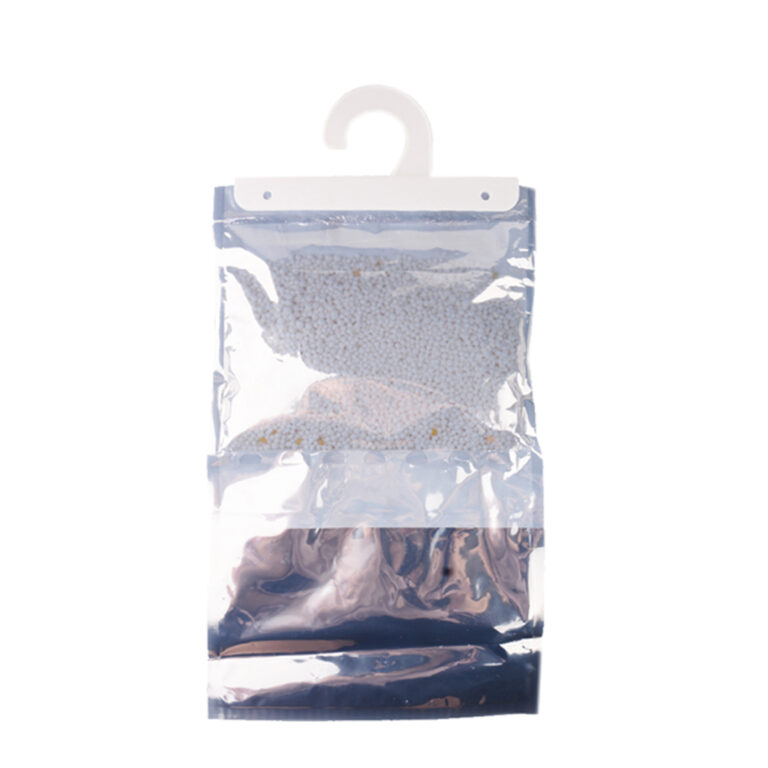
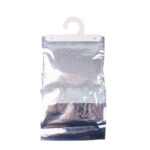
Inspect the hook, hanging hole, edges and separation between the absorbent section and liquid collection section. Look for uneven seals, visible damage or loose material. Check that the intended hanging position is clear and that the hook fits the type of rail your customers use.
- Are the bag dimensions and hook design consistent across samples?
- Are seal areas clean and continuous?
- Does the unopened retail pack protect the product during storage?
- Can the consumer identify which layer to remove before use?
3. Agree on a realistic performance comparison
Compare samples under the same conditions and in their intended orientation. Record temperature, relative humidity, start date, observations and the endpoint used. Ask the factory to document its test method before accepting an absorption or service-life claim.
A quick visual check cannot establish months of performance. If a decision depends on a long-duration claim, allow time for the agreed evaluation rather than extrapolating from a short trial. Avoid publishing fixed lifespan promises without evidence for the stated conditions.
4. Evaluate handling and instructions together
Agree with the supplier on packaging and handling checks appropriate to your shipment and product. Review the finished retail pack, rather than an unpackaged bag alone. Instructions should explain placement, replacement, collected-liquid handling and storage in language the intended customer can understand.
Check that warnings remain readable after artwork resizing. Confirm the exact precautions from the product documentation; do not copy a competing product’s label onto a different construction.
5. Convert your findings into order requirements
Create an approval sheet with each characteristic, inspection method and agreed acceptance criterion. Include artwork version, carton quantity, barcode, batch identification and any remaining changes. Confirm how production samples will be checked before shipment and who will authorize deviations.
Frequently asked questions
Is one sample enough?
One sample can help review the design, but it cannot show production consistency. Agree on a sample quantity and inspection plan suited to your order.
Should the cheapest bag win the comparison?
Compare the same fill weight, construction and packaging first. Include shipping and retail presentation when evaluating the total offer.
Discuss your hanging bag project
Explore our hanging moisture absorber supply options and the bag versus box comparison. Contact Zhongshan Haihong Houseware Co., Ltd. with your target market, fill weight, packaging reference and estimated quantity to discuss a sample specification.